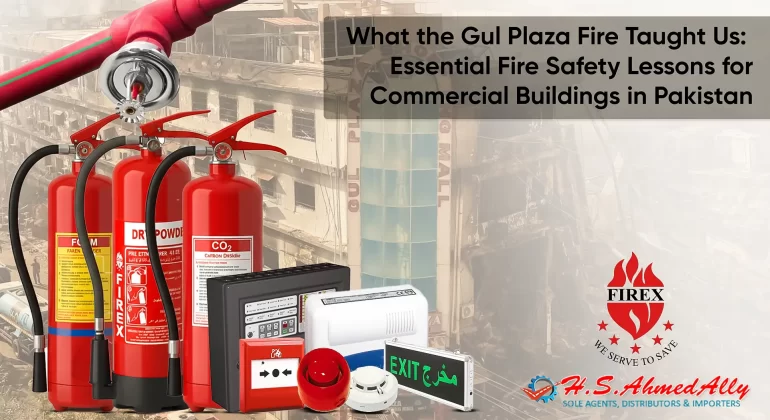

Fire incidents in Pakistan have become alarmingly frequent, especially in densely populated commercial areas. The recent Gul Plaza fire was a painful reminder of how quickly a small spark can turn into a major tragedy. Lives were lost, businesses were destroyed, and families were left grieving.
This incident was not just another headline. It was a wake-up call.
For business owners, property managers, and authorities, the Gul Plaza fire highlighted serious gaps in fire safety awareness, planning, and preparedness. This article looks at the key lessons we can learn from this tragedy and explains how commercial buildings across Pakistan can become safer.
Why Fire Safety in Commercial Buildings Matters
Commercial buildings in Pakistan include plazas, markets, offices, warehouses, and factories. These spaces often have:
- High foot traffic
- Electrical equipment running all day
- Flammable materials stored inside
- Limited emergency exits
When fire safety is ignored, the risk multiplies.
Fires in commercial buildings spread fast. Smoke fills enclosed spaces. Panic takes over. Without proper systems in place, evacuation becomes difficult. This is why fire safety is not optional, it is essential.
A Brief Look at the Gul Plaza Fire
The Gul Plaza fire shocked the nation. It exposed long-standing issues that exist in many commercial buildings across Pakistan.
While investigations continue, early reports pointed to common problems often seen in older plazas and markets:
- Poor fire detection systems
- Lack of emergency exits
- No emergency lighting
- Flammable materials stored without safety planning
- Delayed response due to limited access
These issues are not unique to one building. They are widespread.
Lesson 1: Early Fire Detection Saves Lives
One of the biggest lessons from the Gul Plaza fire is the importance of early fire detection.
Why Fire Detection Systems Matter
A fire does not become deadly immediately. The danger grows with time. Smoke spreads first. Then flames. Early detection gives people a chance to react.
Essential fire detection systems include:
- Smoke detectors
- Heat detectors
- Fire alarm systems
These systems alert occupants early. Even a few extra minutes can mean the difference between safe evacuation and disaster.
Common Problem in Pakistan
Many commercial buildings either:
- Do not have fire alarms, or
- Have systems that are not working
Regular testing and maintenance are often ignored.
Lesson 2: Emergency Exits Must Be Clear and Accessible
During fires, people panic. Clear escape routes save lives.
Common Issues Seen in Commercial Buildings
- Exits blocked by goods or furniture
- Locked emergency doors
- Poor exit signage
- Too few exits for the number of occupants
In many plazas and malls, shops extend into corridors. Storage areas block staircases. This turns escape routes into death traps.
What Should Be Done
- Keep all emergency exits clear at all times
- Install visible exit signs
- Ensure exits open outward and are never locked
- Regularly inspect escape routes
Lesson 3: Emergency Lighting Is Not a Luxury
When power fails during a fire, darkness adds to panic.
Emergency lighting helps people:
- See exit routes
- Avoid obstacles
- Stay calm during evacuation
The Gul Plaza incident highlighted how lack of emergency lighting can worsen an already dangerous situation.
Every commercial building should have:
- Battery-powered emergency lights
- Illuminated exit signs
- Regular testing schedules
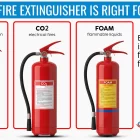
Lesson 4: Fire Extinguishers Must Be Available and Usable
Fire extinguishers can control small fires before they spread. But only if:
- The right type is installed
- They are easy to access
- People know how to use them
Common Mistakes
- Expired fire extinguishers
- Wrong extinguisher type for electrical fires
- Extinguishers hidden behind counters
- Staff not trained to use them
Simple Awareness Saves Lives
Basic fire extinguisher training for staff can prevent major losses.
Lesson 5: Electrical Safety Cannot Be Ignored
Electrical faults are one of the leading causes of fires in Pakistan.
In commercial buildings, risks increase due to:
- Overloaded circuits
- Old wiring
- Unauthorized electrical extensions
- Poor maintenance
Preventive Measures
- Regular electrical inspections
- Proper load management
- Use of certified electricians
- Replacement of damaged wiring
Fire safety starts with safe electricity use.
Lesson 6: Flammable Materials Need Proper Storage
Many commercial plazas store flammable items such as:
- Fabrics
- Chemicals
- Packaging materials
- Furniture and foam
When stored improperly, these materials help fires spread rapidly.
Safe Storage Practices
- Keep flammable materials away from heat sources
- Store them in designated areas
- Avoid clutter in shops and corridors
- Follow fire safety storage guidelines
Lesson 7: Fire Safety Training Is Essential
Equipment alone is not enough. People must know what to do.
During emergencies, confusion and panic cause delays. Fire safety training helps occupants act quickly and correctly.
Training Should Cover
- How to respond when a fire alarm sounds
- How to use fire extinguishers
- Evacuation procedures
- Assisting others safely
Regular Fire drills improve response time and confidence.
Lesson 8: Regular Fire Safety Audits Are Critical
Fire safety is not a one-time setup. Systems fail. Buildings change. Risks increase.
Regular fire safety audits help identify:
- Faulty equipment
- Blocked exits
- Missing signage
- Non-compliance with safety standards
Audits should be conducted by qualified fire safety professionals.
Lesson 9: Building Design Plays a Big Role
Older commercial buildings often lack fire-safe design.
Common design issues include:
- Narrow staircases
- No fire-resistant doors
- Poor ventilation
- No fire compartmentation
While redesigning an entire building may not be possible, upgrades can improve safety, such as:
- Fire-rated doors
- Fire-resistant walls
- Smoke control systems
Lesson 10: Responsibility Is Shared
Fire safety is not just the government’s responsibility. It is shared by:
- Building owners
- Shopkeepers
- Tenants
- Maintenance teams
- Authorities
Everyone has a role to play.
Ignoring fire safety puts human lives at risk, not just property.
The Role of Building Codes and Enforcement
The Gul Plaza fire was not just a failure of equipment; it was a failure of compliance. Many commercial buildings in Pakistan have been modified over the years, adding floors or shops that were never part of the original, approved safety plan.
The Lesson: Adherence to the Building Code of Pakistan (Fire Safety Provisions 2016) is not optional but it is lifesaving. Rigorous enforcement by local authorities and self-regulation by building owners are the only ways to ensure that commercial spaces are fit for public use.
The Bigger Picture: Fire Safety in Pakistan
The Gul Plaza fire reflects a national issue. Across Pakistan, many commercial buildings operate without meeting basic fire safety requirements.
Key challenges include:
- Weak enforcement of safety laws
- Lack of awareness
- Cost-cutting on safety systems
- Poor maintenance culture
But change is possible.
Steps Commercial Buildings Should Take Today
Here are practical steps that can be taken immediately:
- Conduct a fire safety assessment
- Install or repair fire alarm systems
- Ensure emergency exits are clear
- Add emergency lighting
- Place correct fire extinguishers
- Train staff and occupants
- Schedule regular safety inspections
Human Lives depend on this.
Creating a Culture of Fire Safety
Fire safety should be part of daily operations—not an afterthought.
Simple habits make a difference:
- Reporting hazards
- Keeping exits clear
- Respecting safety rules
- Taking drills seriously
A strong fire safety culture protects everyone.
Essential Fire Safety Equipment Checklist
| Equipment | Purpose | Maintenance |
| Fire Extinguishers | To put out small fires before they spread. | Check pressure every 6 months. |
| Fire Blankets | Useful for kitchen fires or wrapping around a person. | Replace after one use. |
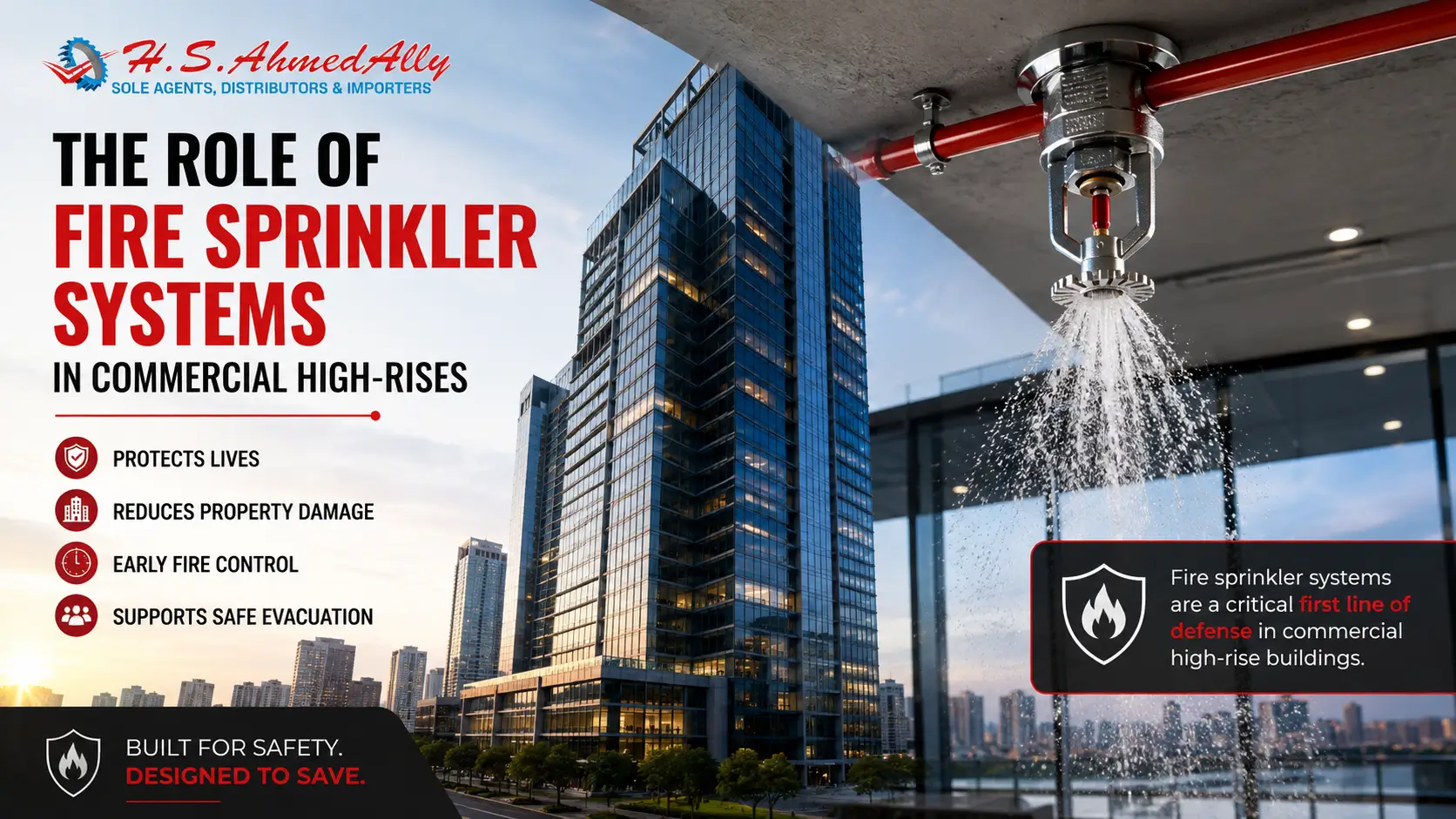
| Sprinkler Systems | Automatically spray water when heat is detected. | Annual inspection by a professional. |
| Emergency Lights | Light up the path to exits during power cuts. | Test battery monthly. |
| Fire Hydrants | Provide high-pressure water for firefighters. | Ensure they are not blocked by parking. |
For any commercial building in Pakistan, having the right tools on hand can save lives. Here is a basic list of what every plaza should have:
Final Thoughts
The Gul Plaza tragedy was a painful lesson, but it provides a clear roadmap for the future. For the team at HS Ahmed Ally and the fire protection community, the goal is clear: we must design, equip, and maintain buildings that prioritize human life above all else.
Fire safety is not about fear. It is about awareness, responsibility, and action.
Commercial buildings are places of livelihood. They should also be places of safety.
By learning from past incidents and taking fire safety seriously, we can prevent future disasters and protect lives.