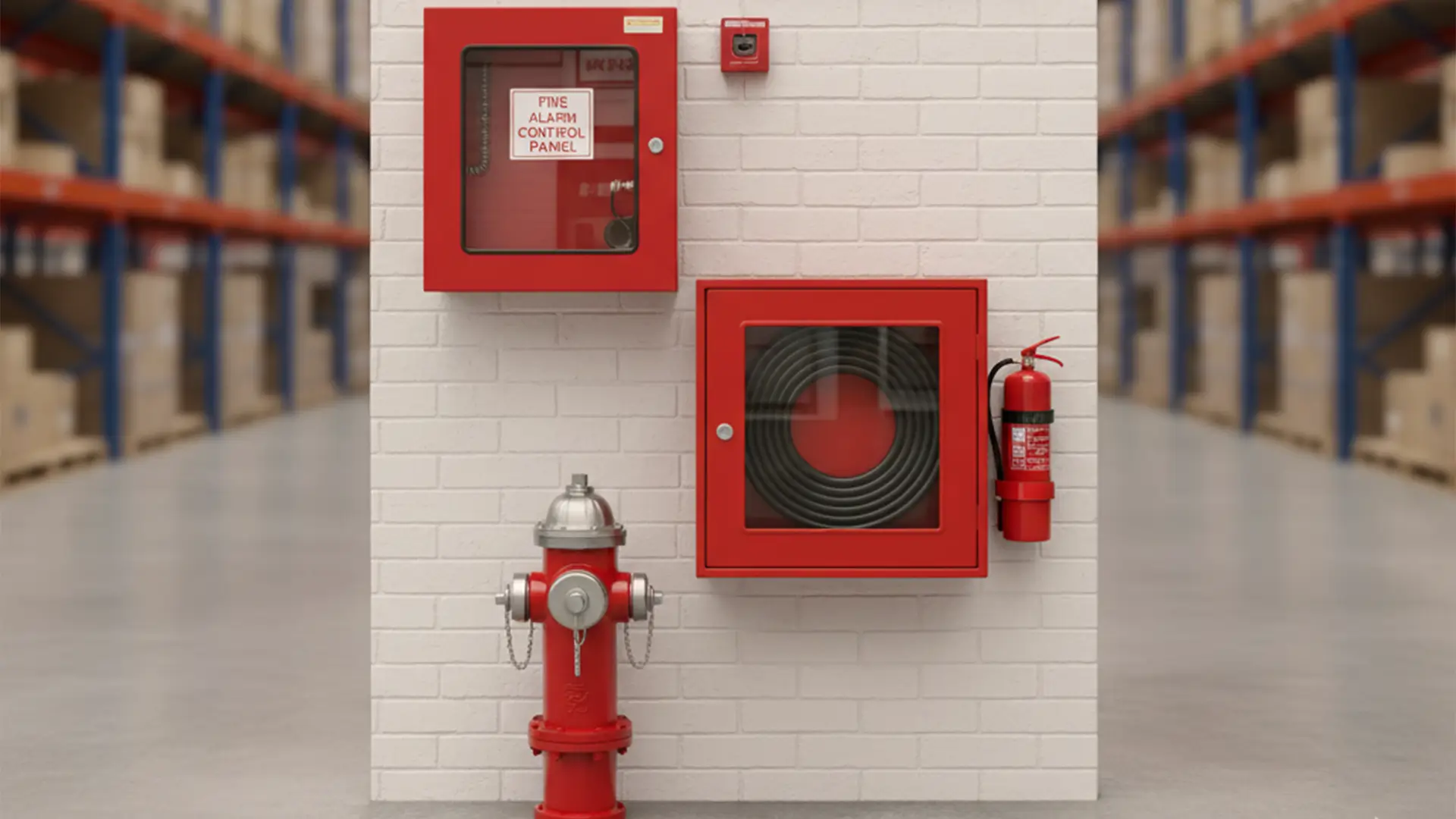
Safeguarding a business in Pakistan is about more than just security guards and CCTV cameras. One of the most critical, yet often overlooked, investments is a reliable fire protection system. At the heart of that system lies the fire pump.
Whether you are running a textile mill in Faisalabad, a high-rise office in Karachi, or a warehouse in Lahore, choosing the right fire pump can be the difference between a minor incident and a total loss. This guide will walk you through everything you need to know about buying a fire pump for your business in Pakistan.
Why Your Business Needs a Dedicated Fire Pump
In many parts of Pakistan, municipal water pressure is inconsistent. If a fire breaks out, you cannot rely on city water lines to provide the force needed for your sprinklers or fire hydrants to work effectively.
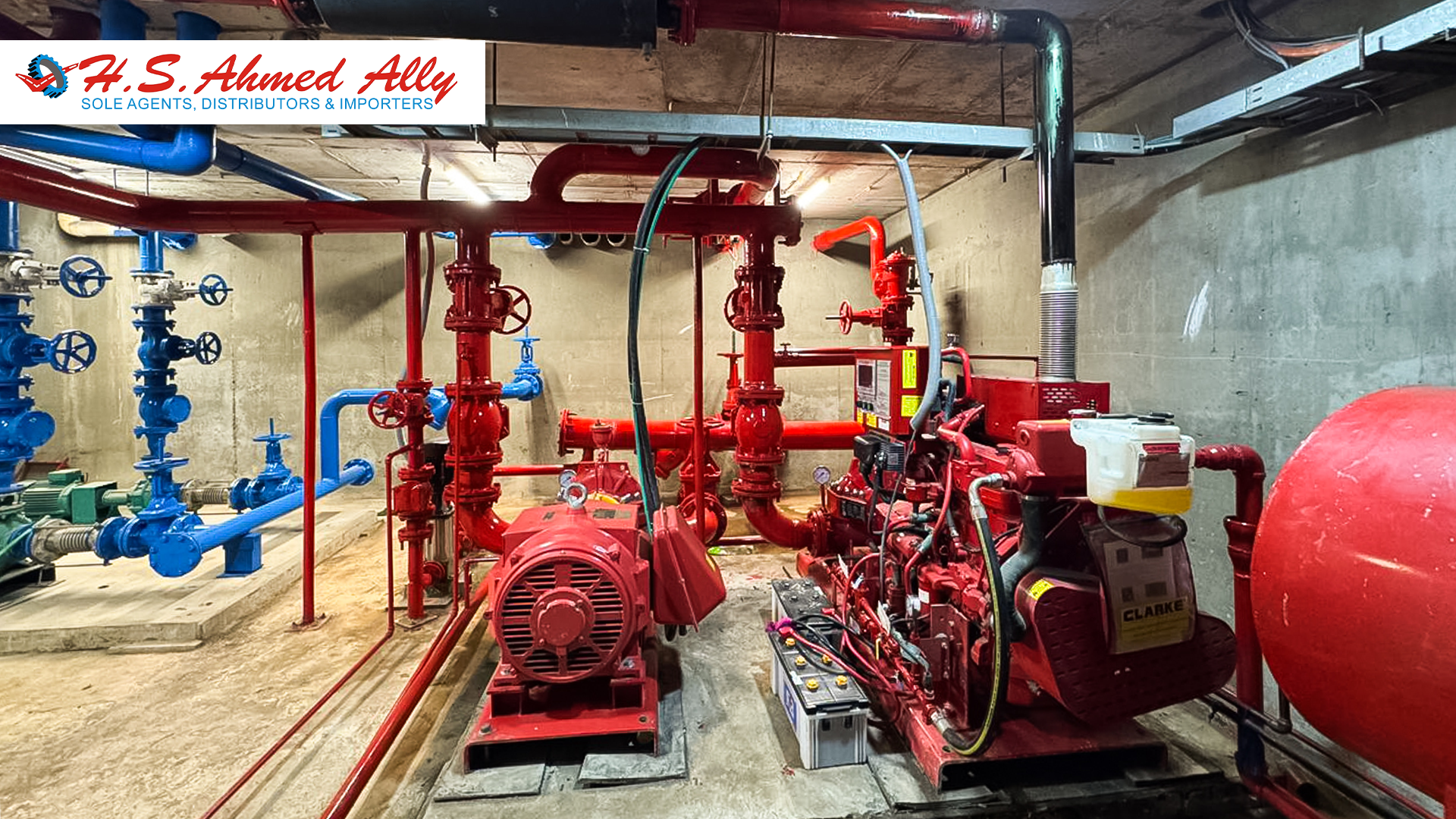
A fire pump is designed to increase the water pressure of your building’s fire protection system. It ensures that water reaches the highest floors and the furthest corners of your facility at high velocity.
Key Benefits of a Quality Fire Pump:
- Rapid Response: Automatically activates when a drop in pressure is detected.
- Compliance: Helps you meet Civil Defense requirements and NFPA 20 standards.
- Insurance Savings: Many insurance providers in Pakistan offer lower premiums for buildings with certified fire suppression systems.
- Asset Protection: Minimizes water damage by putting out fires quickly before they spread.
Types of Fire Pumps Available in Pakistan
Choosing the right pump depends on your building’s layout, water source, and available space. Here are the most common types supplied by HS Ahmed Ally:
1. Horizontal Split Case (HSC) Pumps
These are the “workhorses” of the industry. These split case pumps are highly durable and easy to maintain because the casing can be opened to inspect internal parts without disconnecting the piping.
- Best for: Large industrial plants and factories with plenty of floor space.
- Pros: High flow rates, long lifespan, and easy serviceability.
2. End Suction Pumps
End suction pumps are more compact and typically more affordable than split case models. They are common in smaller commercial projects.
- Best for: Small to medium-sized office buildings and retail outlets.
- Pros: Cost-effective and space-saving.
3. Vertical Turbine Pumps
If your water source is an underground tank or a deep well (common in areas of Pakistan where ground water is the primary source), you need a vertical turbine pump.
- Best for: Facilities drawing water from below-ground reservoirs.
- Pros: Can pull water from significant depths where other pumps cannot.
4. Vertical In-Line Pumps
These are designed to be “in-line” with the piping, meaning they take up very little floor space.
- Best for: Buildings with very limited machine room space.
- Pros: Extremely compact and easier to install in tight corners.
Electric vs. Diesel: Which Power Source is Best?
In Pakistan, the choice of power source is a critical decision due to frequent power outages (load shedding).
Electric Motor Fire Pumps
Electric pumps are generally easier to maintain and have a lower upfront cost. However, they rely entirely on a stable power supply.
- Requirement: If you choose an electric pump, NFPA standards often require a reliable secondary power source, such as a dedicated generator or a second diesel-driven pump.
Diesel Engine Fire Pumps
Diesel pumps are independent of the electrical grid. They are essential for high-risk industrial sites or areas where electricity is unreliable.
- Requirement: They need a dedicated fuel tank and regular battery checks to ensure they start instantly during an emergency.
Understanding the “Jockey Pump”
A common mistake businesses make is thinking they only need one large pump. In reality, you also need a Jockey Pump.
A jockey pump is a small, low-flow pump that maintains the pressure in your pipes. If a small leak occurs, the jockey pump turns on to top up the pressure. This prevents your main (and expensive) fire pump from starting up for no reason, reducing wear and tear.
5 Things to Check Before You Buy
When browsing the market in Pakistan, don’t just look at the price tag. Here are five technical factors to consider:
1. Flow Rate (GPM) and Head (PSI)
- GPM (Gallons Per Minute): This is how much water the pump can move. Your engineer will calculate this based on the number of sprinklers and hydrants in your building.
- PSI (Pounds per Square Inch): This is the pressure. Higher buildings require more PSI to push water to the top floors.
2. Certifications (UL Listed & FM Approved)
In the world of fire safety, certifications are everything. UL (Underwriters Laboratories) and FM (Factory Mutual) are international gold standards.
- Why it matters: Certified pumps have been tested under extreme conditions. Non-certified “local” pumps may fail when you need them most. HS Ahmed Ally is a proud distributor of Firex UAE, a brand known for its globally certified equipment.
3. Material Construction
Pakistan’s environment can be harsh. Look for pumps made with:
- Ductile Iron or Cast Iron casings.
- Bronze or Stainless Steel impellers to prevent rust and corrosion over time.
4. Local Support and Maintenance
A fire pump is not a “set it and forget it” device. It needs weekly “churn” tests (running without water flow) and annual performance tests. Ensure your supplier has a service team in major cities like Karachi, Lahore, or Islamabad to provide spare parts and technical support.
5. Compliance with NFPA 20
The National Fire Protection Association (NFPA) 20 is the standard for installing stationary pumps. Ensure your installer understands these codes to avoid legal issues with the Civil Defense authorities.
Fire Pump Price in Pakistan (2026 Estimates)
Prices vary significantly based on capacity and brand. Generally, you can expect the following ranges:
- Small Electric Pumps: PKR 200,000 – 450,000
- Medium Commercial Sets: PKR 600,000 – 1,200,000
- High-Capacity Industrial Diesel Systems: PKR 2,000,000 – 7,000,000+
Note: These are estimates. For an accurate quote, it is best to provide your building’s hydraulic calculations to our team.
Common Mistakes to Avoid
- Undersizing the Pump: Buying a pump that is too small won’t provide enough pressure for your sprinklers to be effective.
- Skipping the Jockey Pump: Without it, your main pump will cycle on and off constantly, leading to a premature motor burnout.
- Ignoring the Suction Line: If the pipes bringing water to the pump are too small or have too many bends, the pump will experience “cavitation,” which can destroy the internal impellers.
- Poor Placement: Fire pumps should be housed in a fire-rated room that is easily accessible to firefighters but protected from the fire itself.
Why Choose HS Ahmed Ally?
Since 1948, H.S. Ahmed Ally has been a pioneer in engineering and fire safety in Pakistan. We don’t just sell equipment; we provide peace of mind.
- Authorized Distributor: We bring you world-class products from Firex.
- End-to-End Service: From design and supply to installation and annual maintenance contracts (AMC).
- Nationwide Presence: With offices in Karachi, Lahore, and Rawalpindi, we are always within reach.
- Expert Consulting: Our engineers help you choose a system that fits your budget while exceeding safety standards.
Summary Checklist for Buyers
| Step | Action |
| 1 | Get a hydraulic calculation for your building. |
| 2 | Determine if your water source is above or below ground. |
| 3 | Choose between Electric, Diesel, or a Dual system. |
| 4 | Verify UL/FM certifications for the pump and controller. |
| 5 | Plan for a dedicated, fire-rated pump room. |
| 6 | Secure a maintenance contract for regular testing. |
Final Thoughts
Investing in a fire pump is an investment in the future of your business. In Pakistan’s rapidly growing industrial landscape, staying compliant and safe is no longer optional but it is a necessity.
Don’t wait for an emergency to find out if your system works. Choose quality, choose certification, and choose a partner you can trust.